
Detection reliability thanks to innovative technologies
The photoelectric sensors from SICK use powerful technologies as standard. Thanks to the integration of modern ASIC technology from SICK (SIRIC®), the method of digital signal processing has made its debut in the world of photoelectric sensors. This makes the sensors significantly more powerful and immune to ambient light. In combination with a wide range of other innovative functions, they enable specular, uneven, perforated, transparent as well as depolarizing objects to be reliably detected.
MultiMode
Directly at the sensor or via IO-Link: Choose the right operating mode for your application from the seven available. The desired mode is set, and also changed again, by simply turning the control. Thanks to the wide range of functionality included, the sensors cover a broad spectrum of applications. This flexibility saves time and reduces storage costs.

TwinEye-Technology®
For uneven, shiny, reflective and even jet black objects , TwinEye-Technology® offers a high level of operational safety. Two receivers in one sensor ensure reliable detection. The sensor only changes the output state if both receivers come to a matching detection result. This enables them to not only reliably detect very shiny and high-contrast objects, but also uneven surfaces.
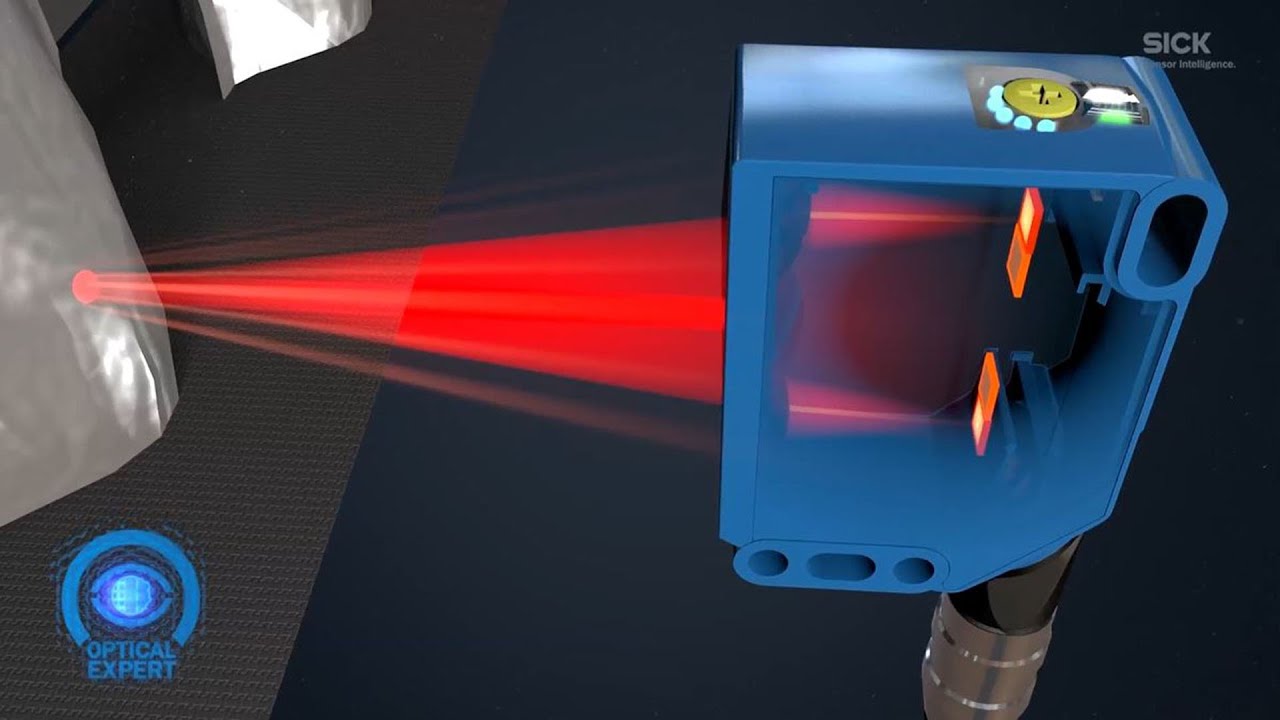
LineSpot technology | Single Line
The LineSpot technology offers a high detection reliability for perforated, structured and uneven objects. The light spot, which has been extended to form a line, allows optical information to be provided about irregularities, such as gaps or rough surfaces.
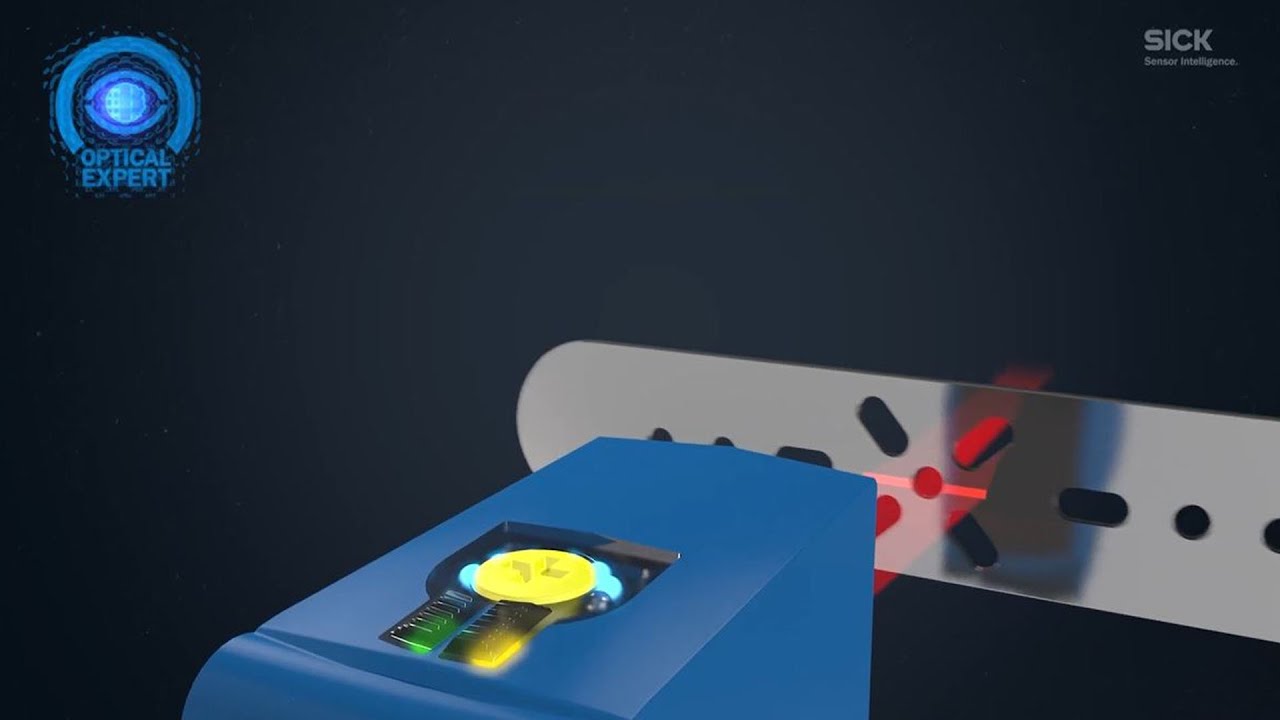
LineSpot technology | Double Line
Objects with openings and recesses such as printed circuit boards or uneven, reflective objects such as yogurt containers are effortlessly and safely detected by the Double Line sensor. Two logically and intelligently linked photoelectric proximity sensors with background suppression in a single device form two line-shaped light spots that ensure consistent detection results in a miniature housing.

ClearSens technology
In the case of transparent objects such as glass bottles or cling film, ClearSens technology ensures an unobstructed view. The right detection mode can be set directly on the device according to the object characteristics and attenuation. If the reflector or the front screen of the sensor is contaminated, the photoelectric sensor automatically repositions its switching thresholds thanks to AutoAdapt, thus always providing a high level of detection reliability.
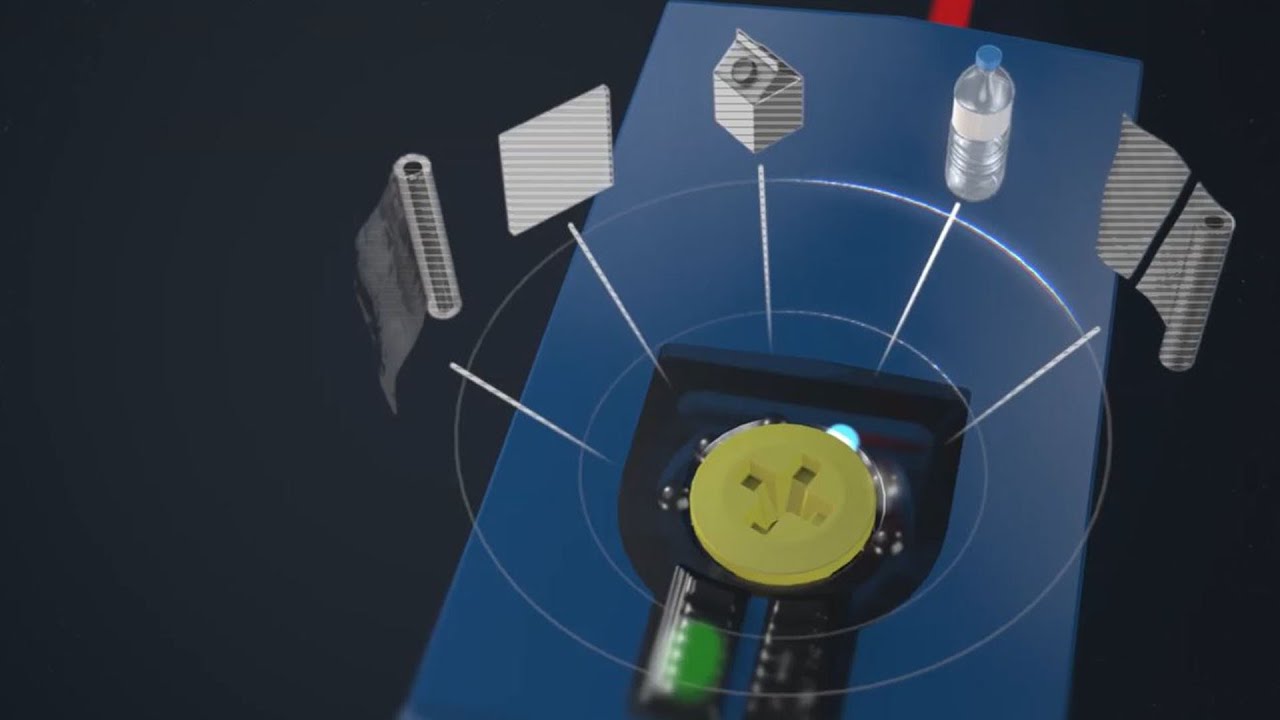
OptoFilter technology
Photoelectric sensors with OptoFilter technology have a high level of ambient light immunity and are therefore not susceptible to interference from LEDs or reflections from safety vests. They are also suitable for the reliable detection of depolarizing objects such as firm-wrapped containers or parcel tape. The signals received are similar to those from the reflector, which could lead to switching errors with previously used technologies.
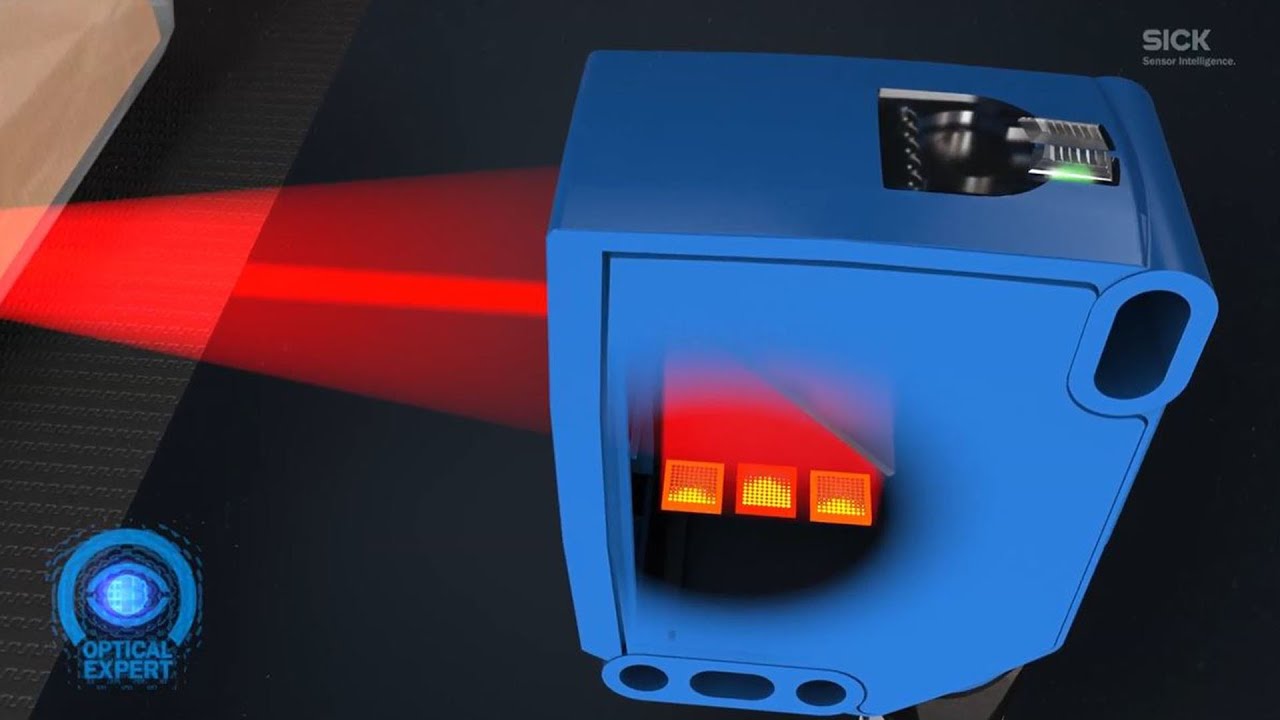
SSR technology
In photoelectric sensors, spot size recognition (SSR) effectively prevents false switching when detecting depolarizing objects. The innovative SSR technology evaluates not only the amount of incoming light but also its distribution. Whether the light comes from the reflector or from a specular object similar to the reflector can be reliably identified from the distribution pattern. Reflected light from glossy packaging, multilayer transparent films or other reflective objects is therefore not mistaken for the reflector signal.

FGS technology
The photoelectric proximity sensors with foreground suppression reliably detect flat, low remission, reflective and uneven objects such as displays or labels. The prerequisite for this is the presence of a background. Thanks to powerful double LEDs, they detect relevant objects from a thickness of 0.8 mm upwards. Commissioning is remarkably quick and easy using the teach-in button.

V-optics technology
The V-optics technology helps the device independently detect highly reflective and transparent objects such as wafers and displays by means of a laser-like microspot. This eliminates the need to set up a photoelectric retro-reflective sensor for applications in confined spaces, which saves costs and allows a simpler machine design. Where reflectors were previously necessary, the sensors from SICK also utilize the reflection from the surface of the object. V-optics operates with a high reserve factor, which makes detection and positioning tasks especially safe even under demanding conditions.

Narrow-beam technology
Sensors with narrow-beam technology can detect through holes and recesses without interfering reflections. At the same time, only a very small light spot is generated on the object, which means that objects smaller than 0.1 millimeters can also be detected, for example fine wires.


