
The four dimensions of smart sensor technology from SICK
Smart Sensors from SICK generate and receive data and information which goes beyond traditional switching signals or measured process parameters. They therefore enable substantial increases in efficiency, more flexibility, and better planning certainty for preventive system maintenance. Depending on the requirement, Smart Sensors cover up to four dimensions of smart sensing.
EFFICIENT COMMUNICATION
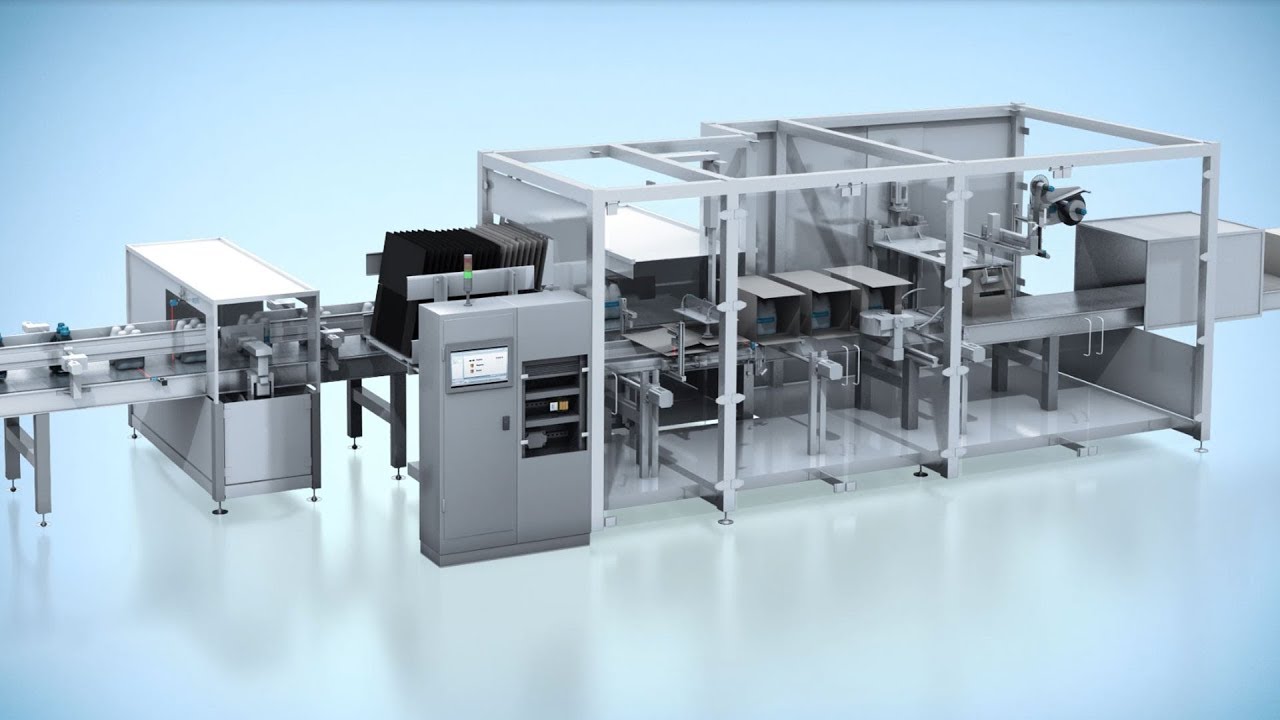
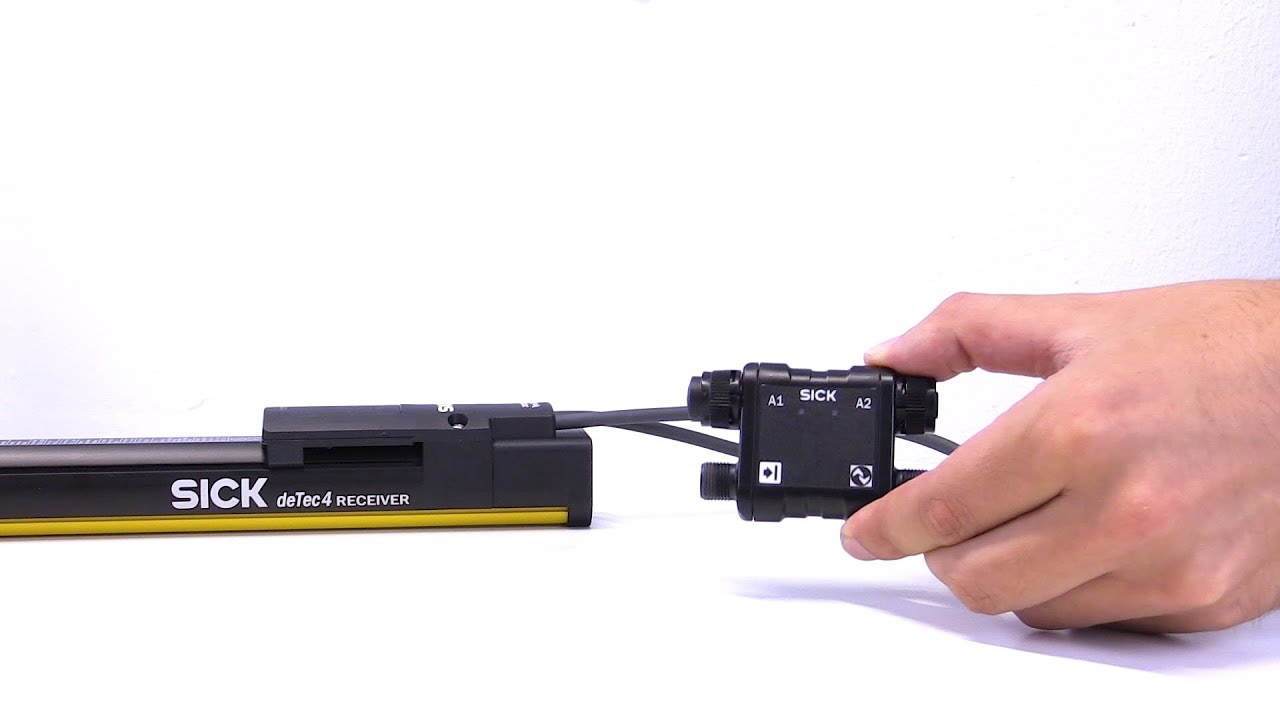
Digitalization and transparency down to the lowest field level thanks to efficient communication
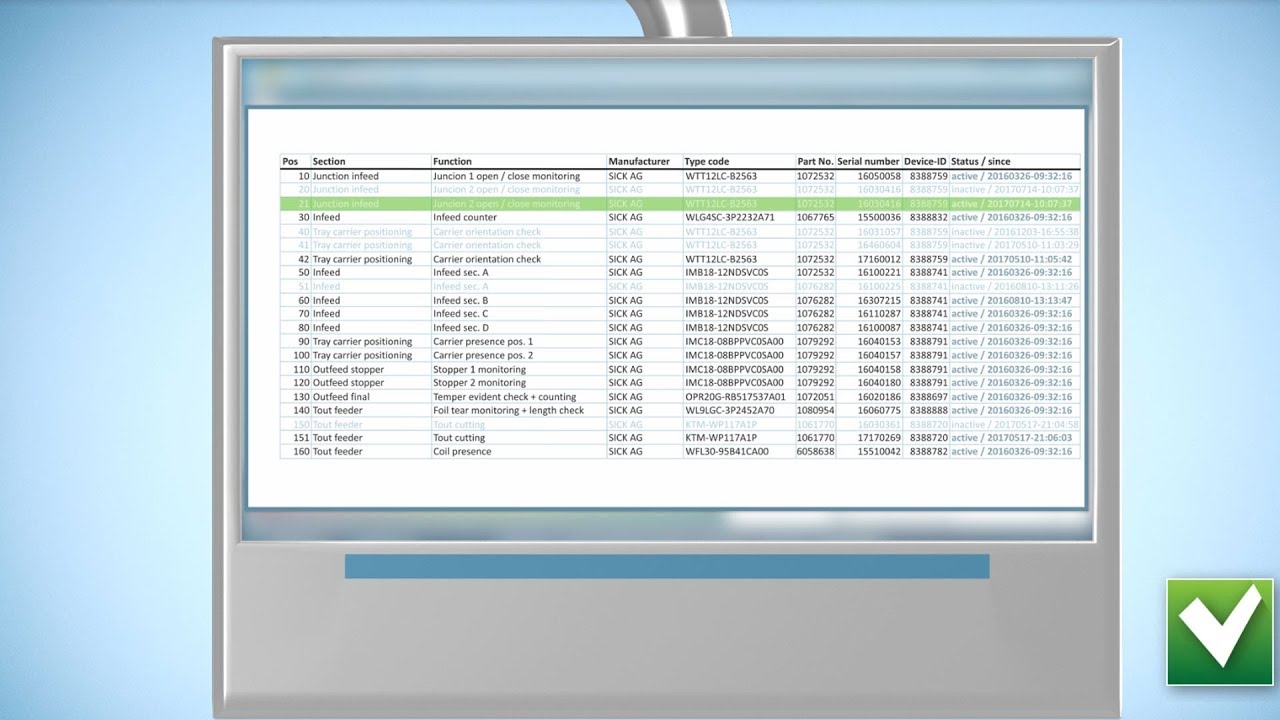
Smart Sensors collect and analyze data. They share this knowledge with their environment via their integrated IO-Link interface in real time. Smart Sensors are always responsive to all types of control commands. For example, they can receive new parameter sets within seconds – for flexible production up to batch size 1. Even if a device is defective, the most recently used parameter set can be automatically transferred to the replacement sensor via IO-Link. This enables plug and play to become a reality.
INTELLIGENT DIAGNOSTIC FUNCTIONS
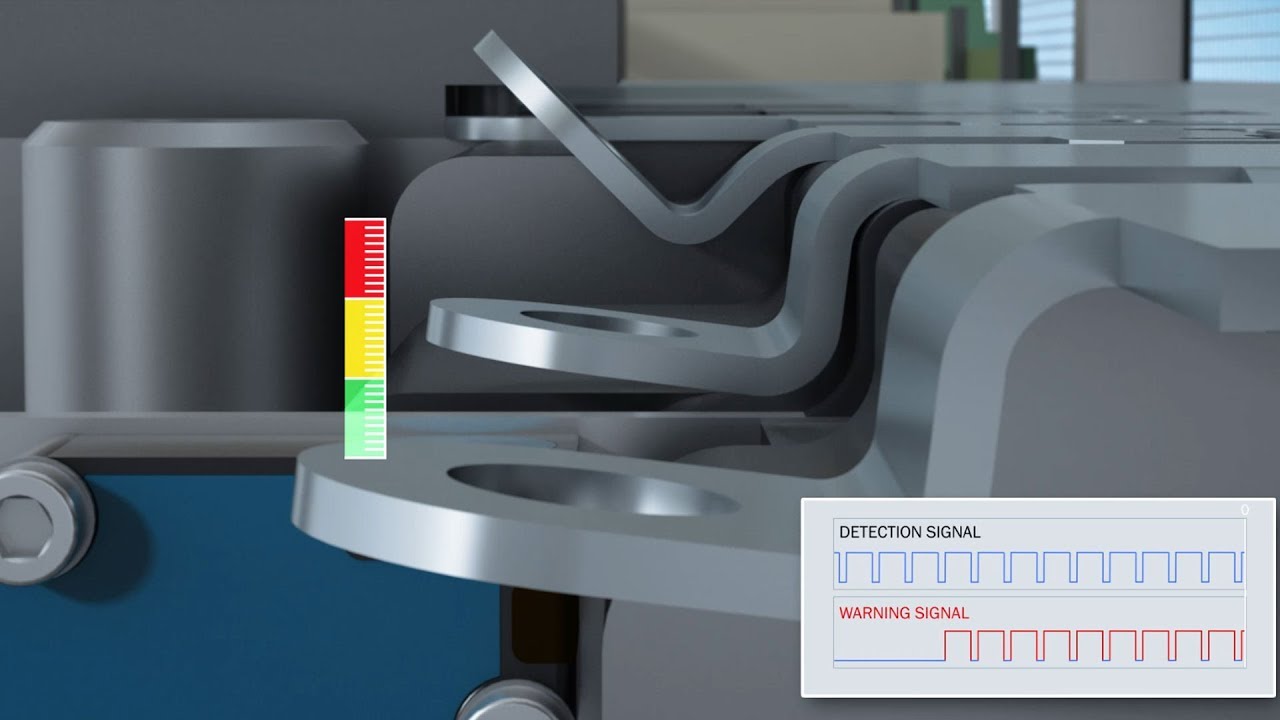
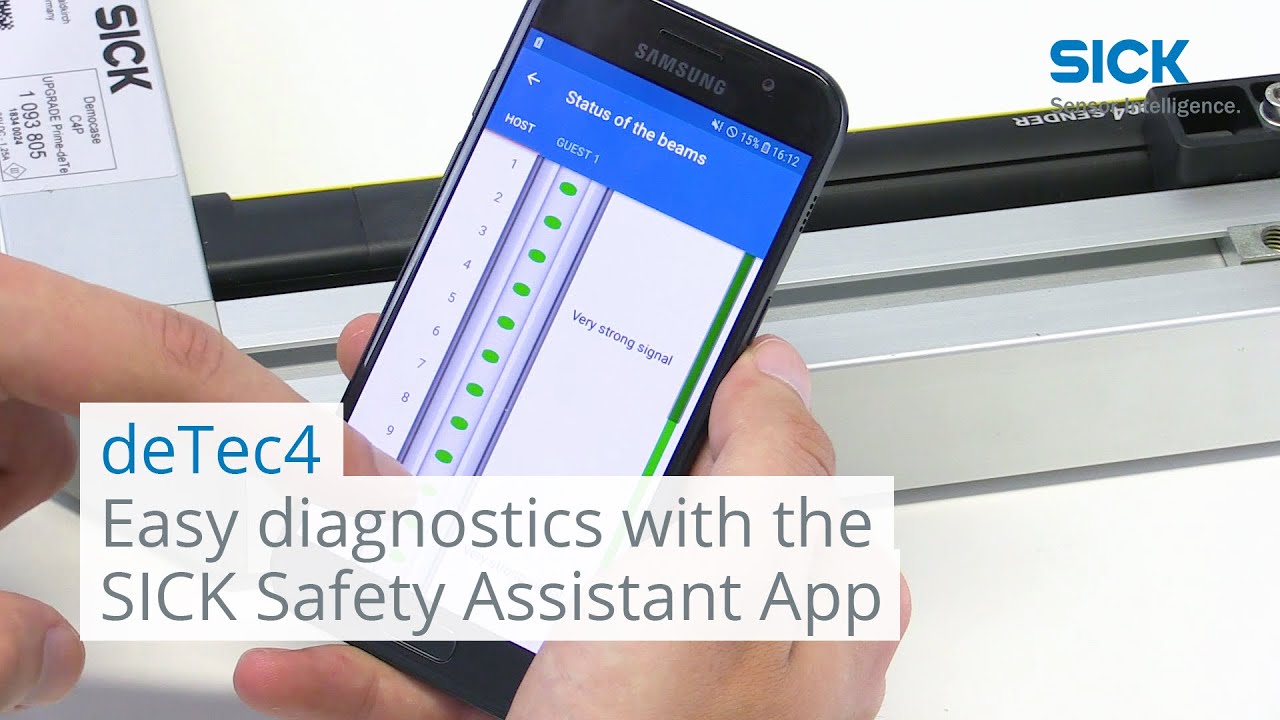
Reduction of downtimes thanks to intelligent diagnostic functions
Smart Sensors will send a notification independently if safe operation is at risk. Thanks to predictive maintenance, flexible, needs-based maintenance schedules can be created, helping reduce service costs. If problems should arise, however, the cause can be easily determined thanks to comprehensive visualization options, avoiding unplanned system downtime.
OPTIMUM DETECTION RESULTS
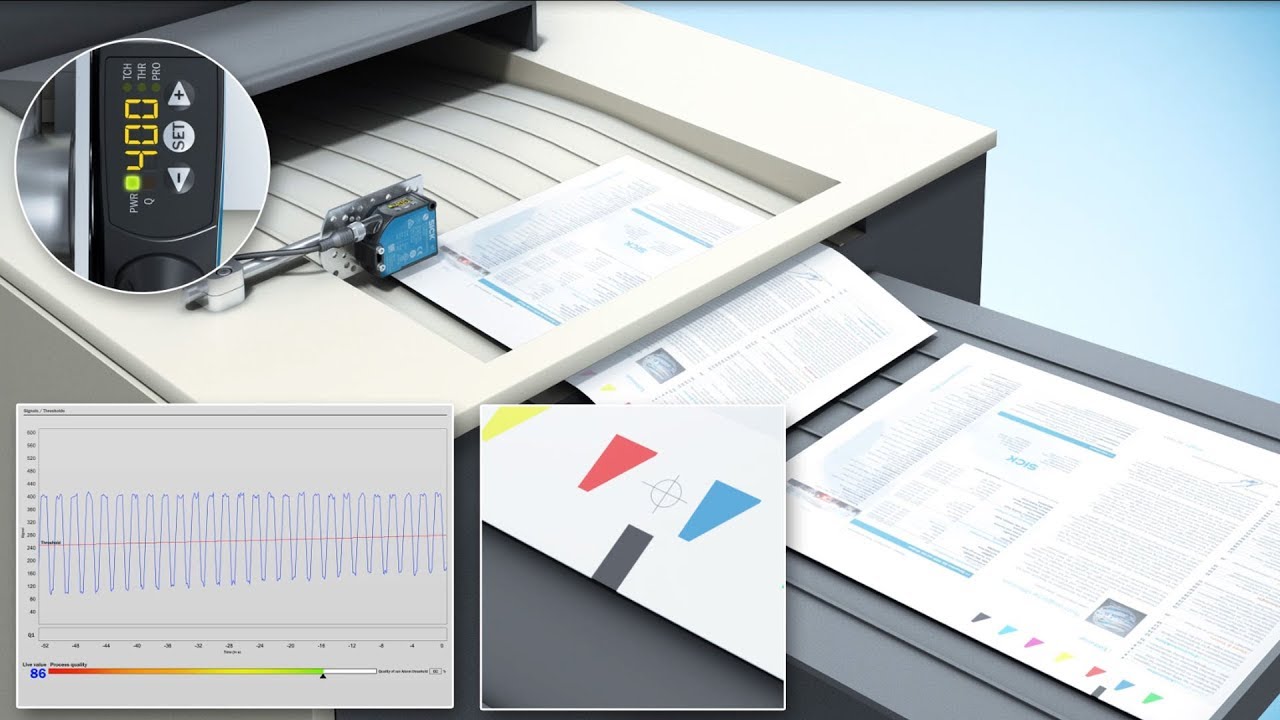
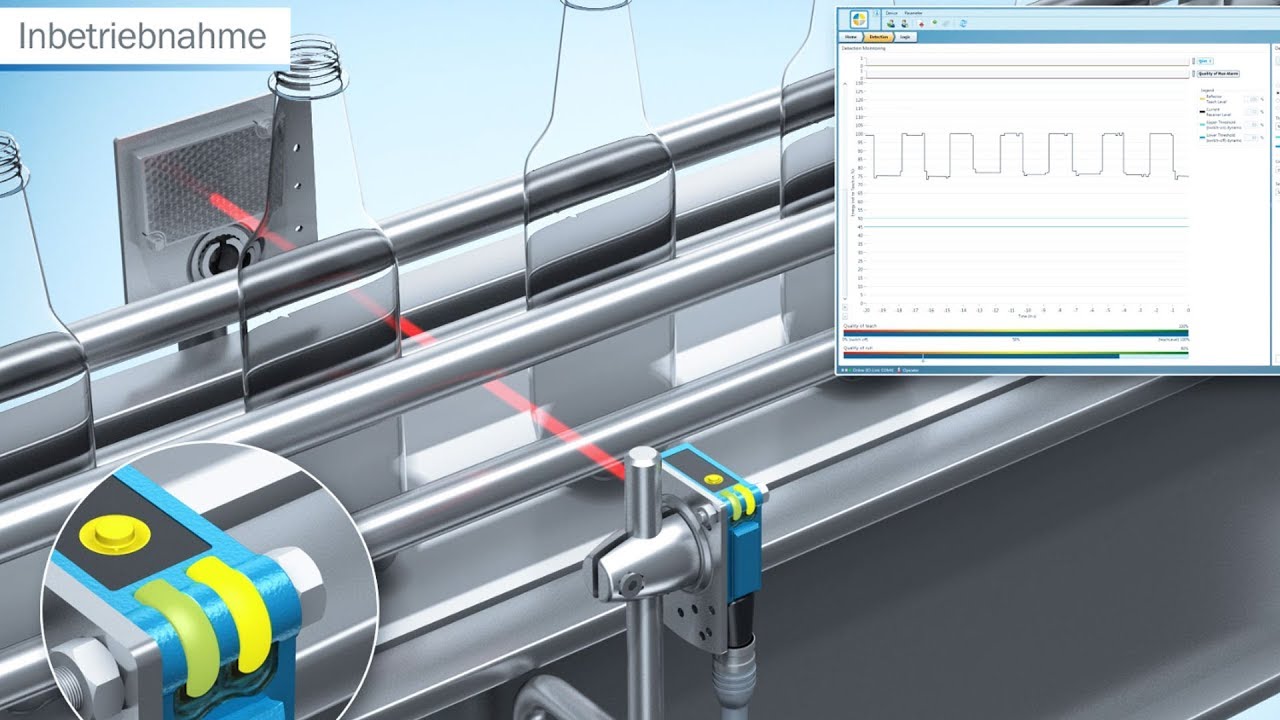
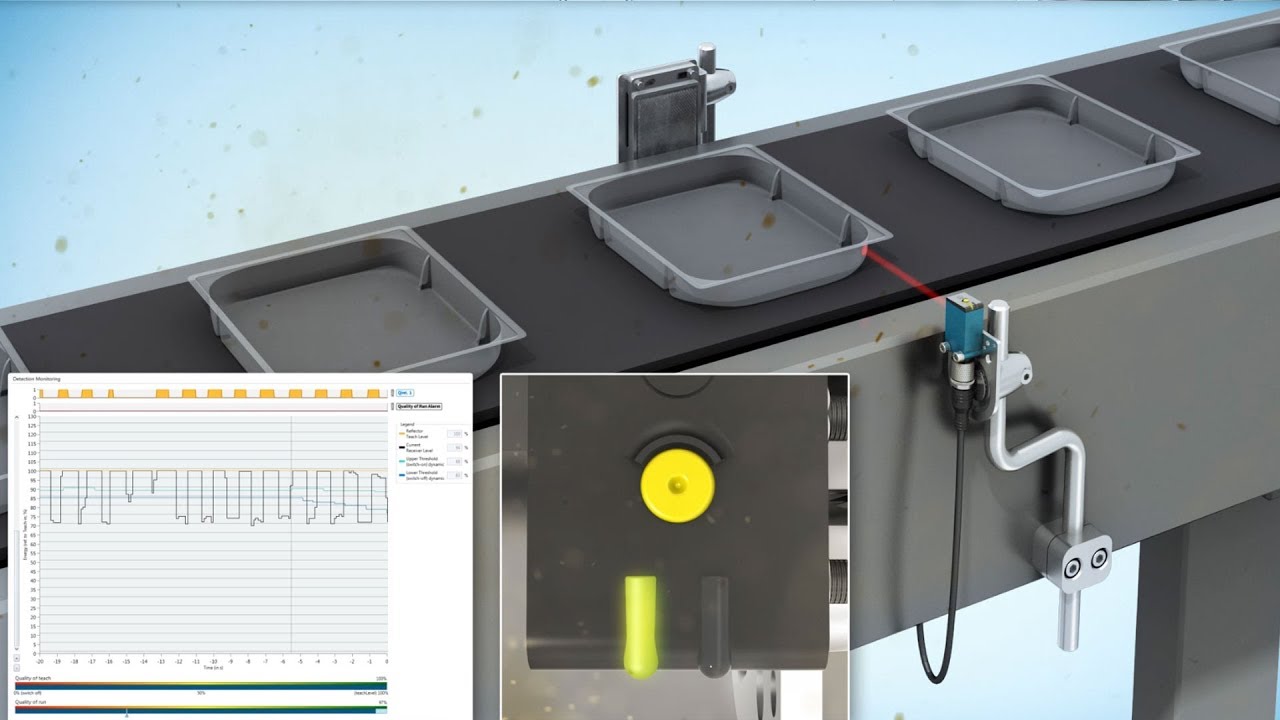
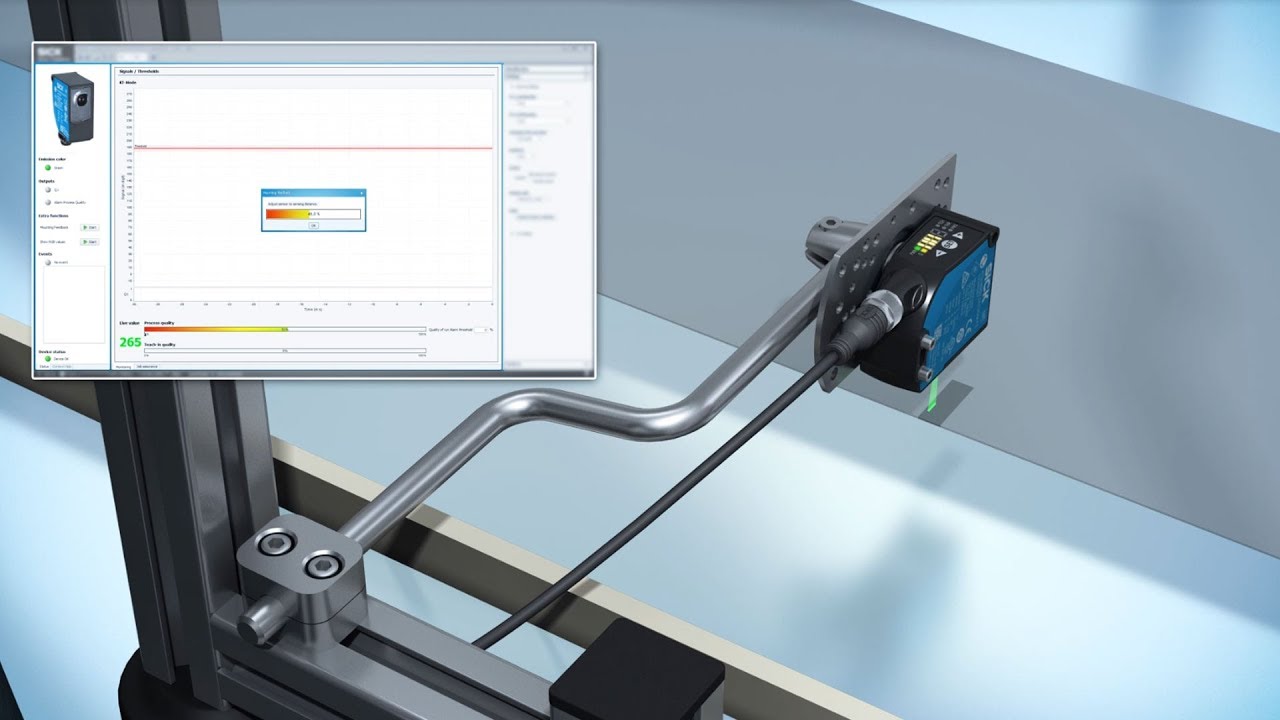

Increased system availability thanks to reliable detection results
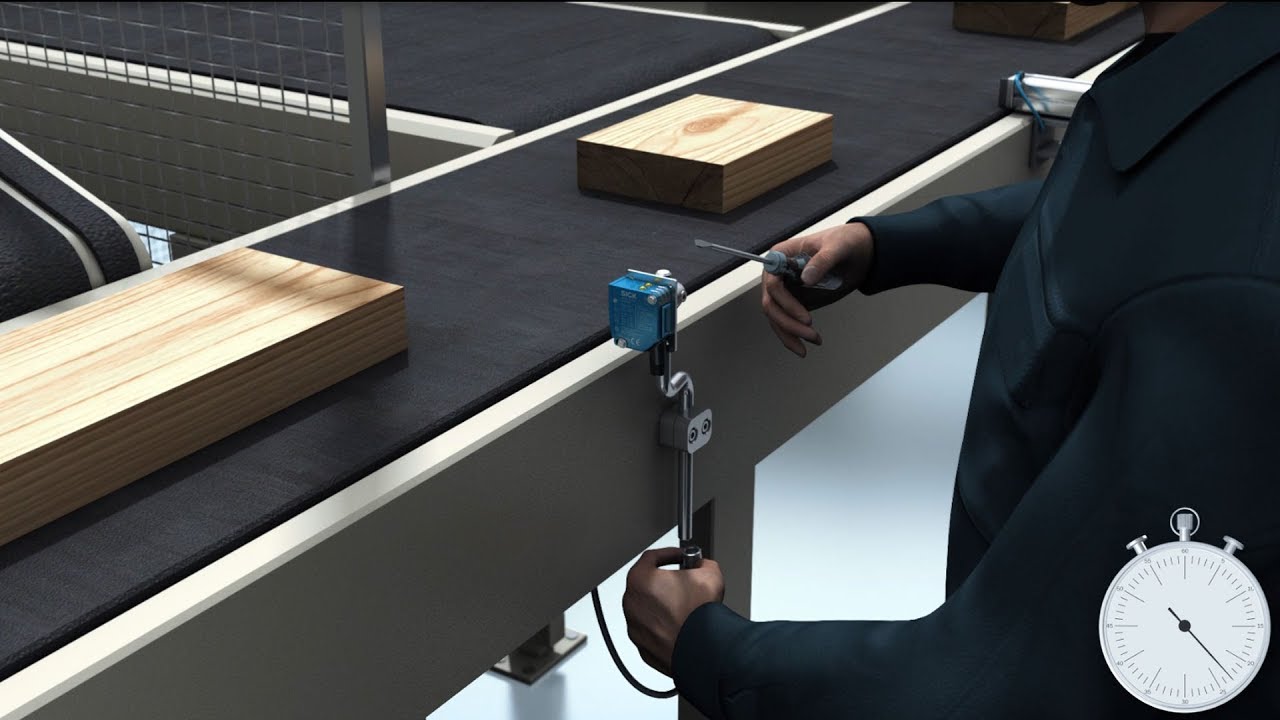
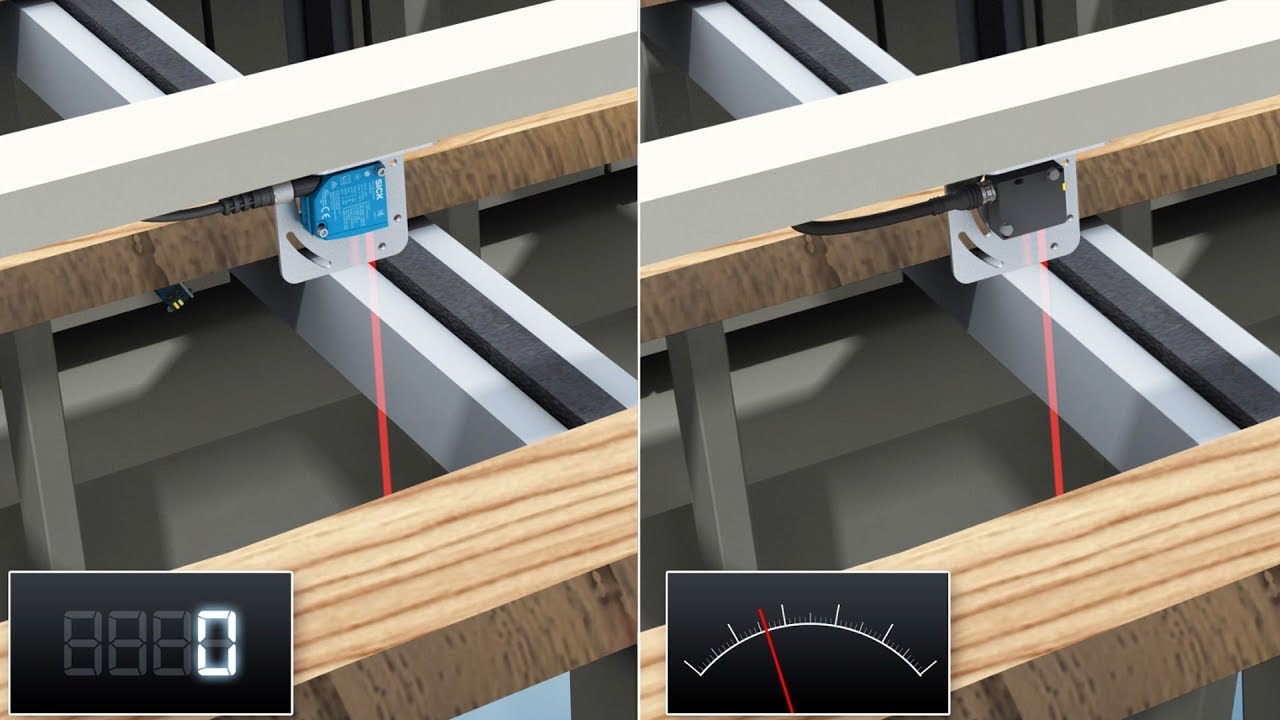
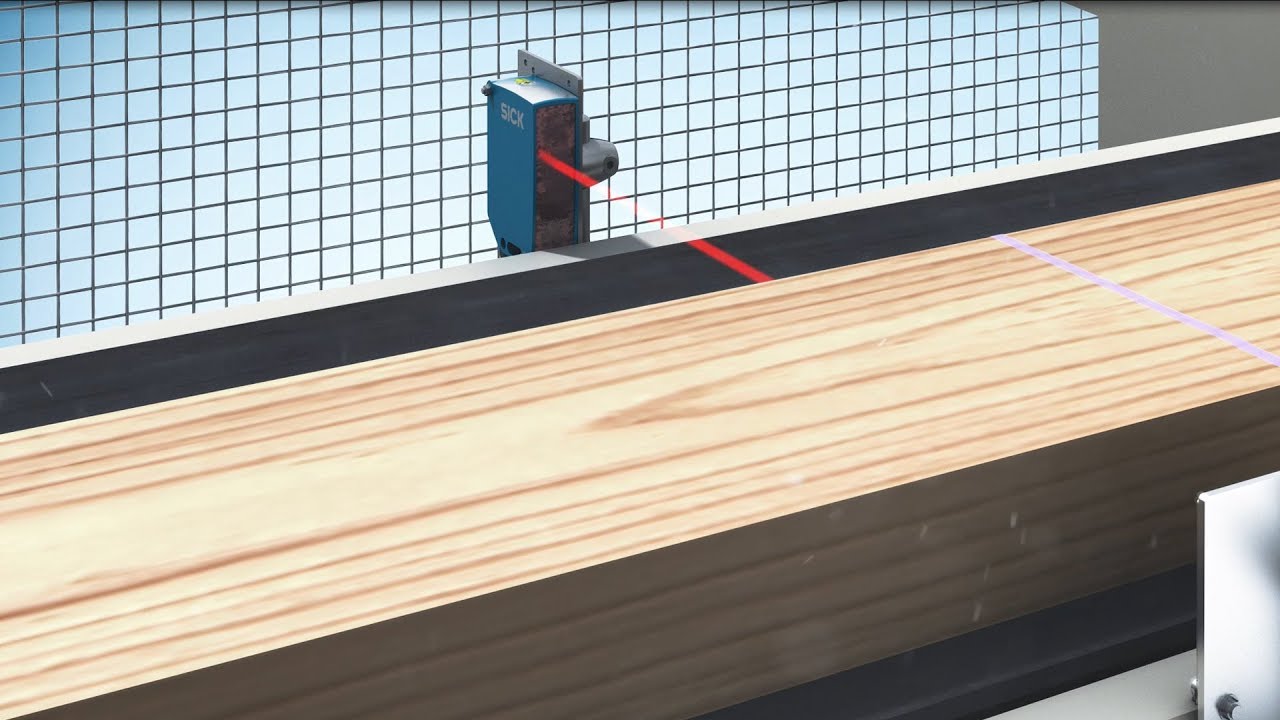
Smart Sensors automatically detect faults during operation and actively troubleshoot problems that may arise. They actively help the fitter to find the ideal operating point as they are being installed. Many Smart Sensors even offer various operating modes including manual adjustment of detection or measurement parameters o enable them to be dynamically adapted to tasks as necessary.
SMART TASKS
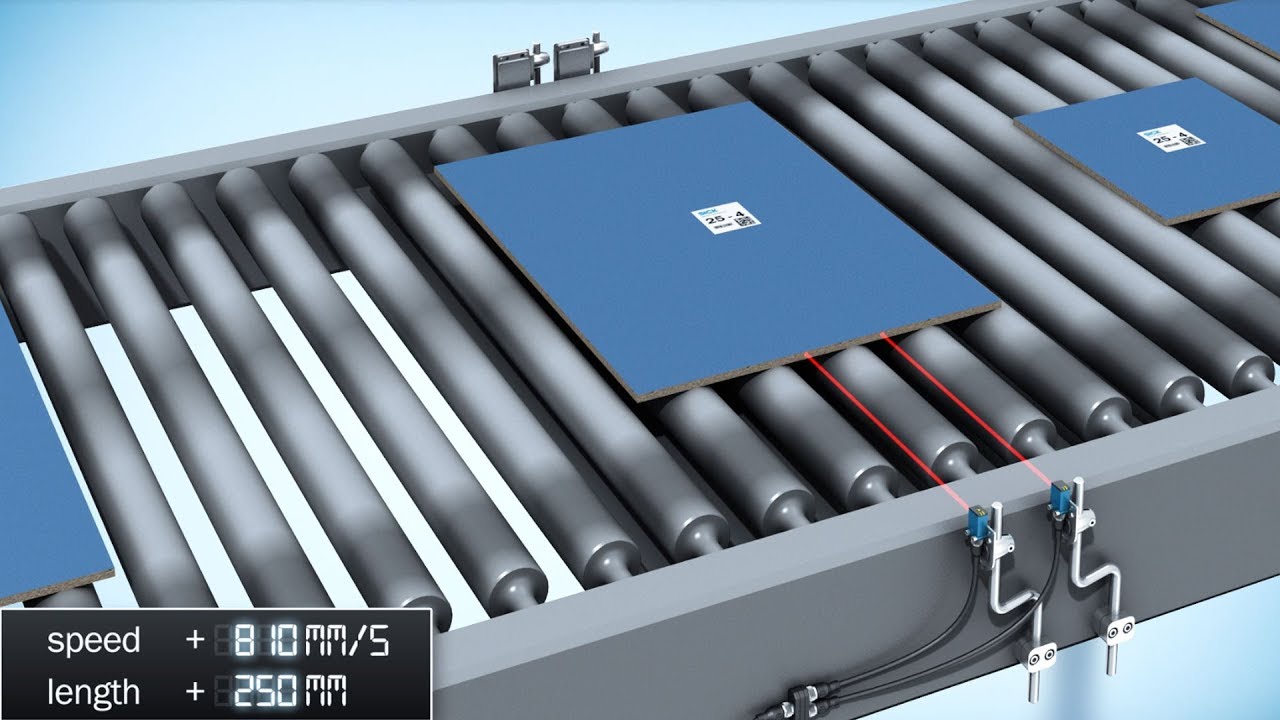
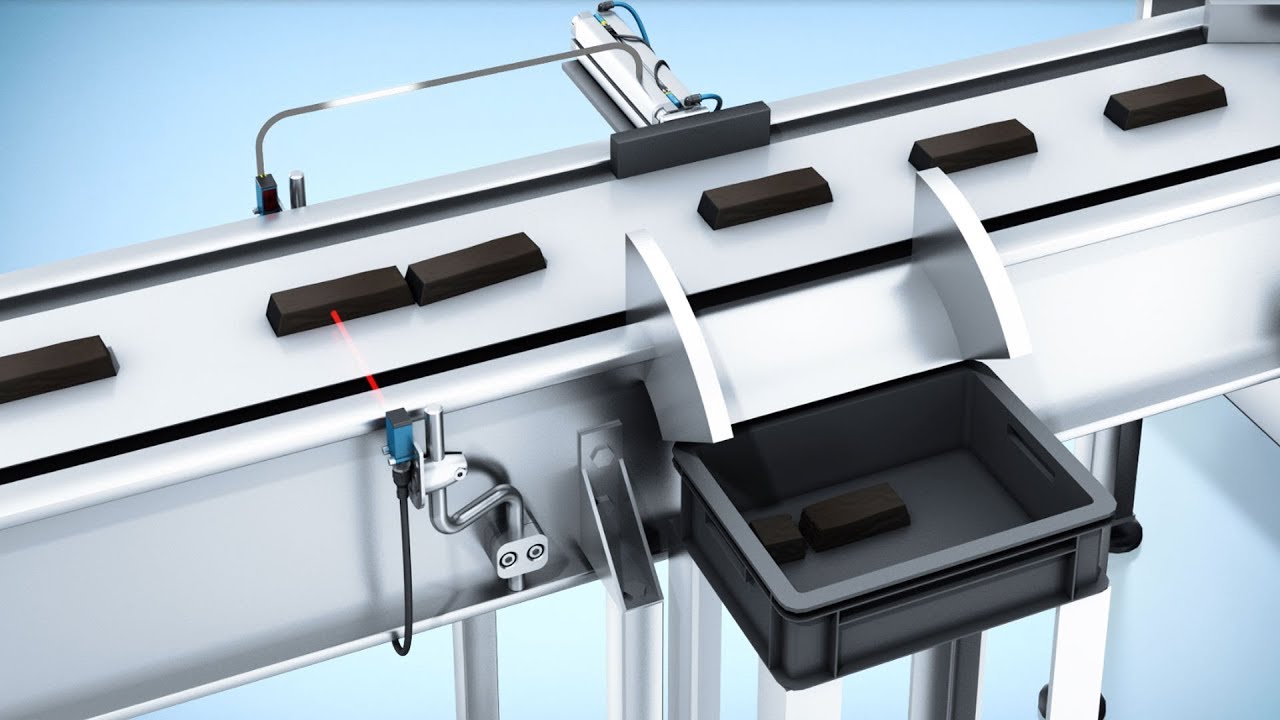
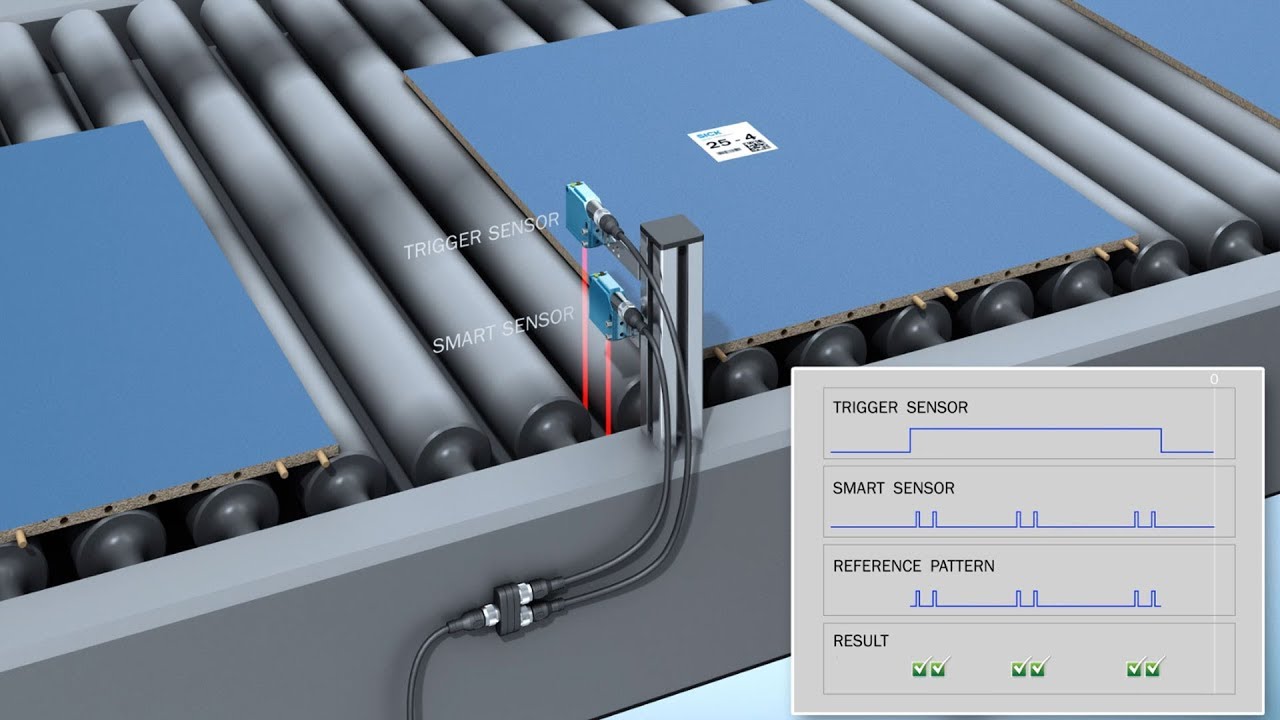
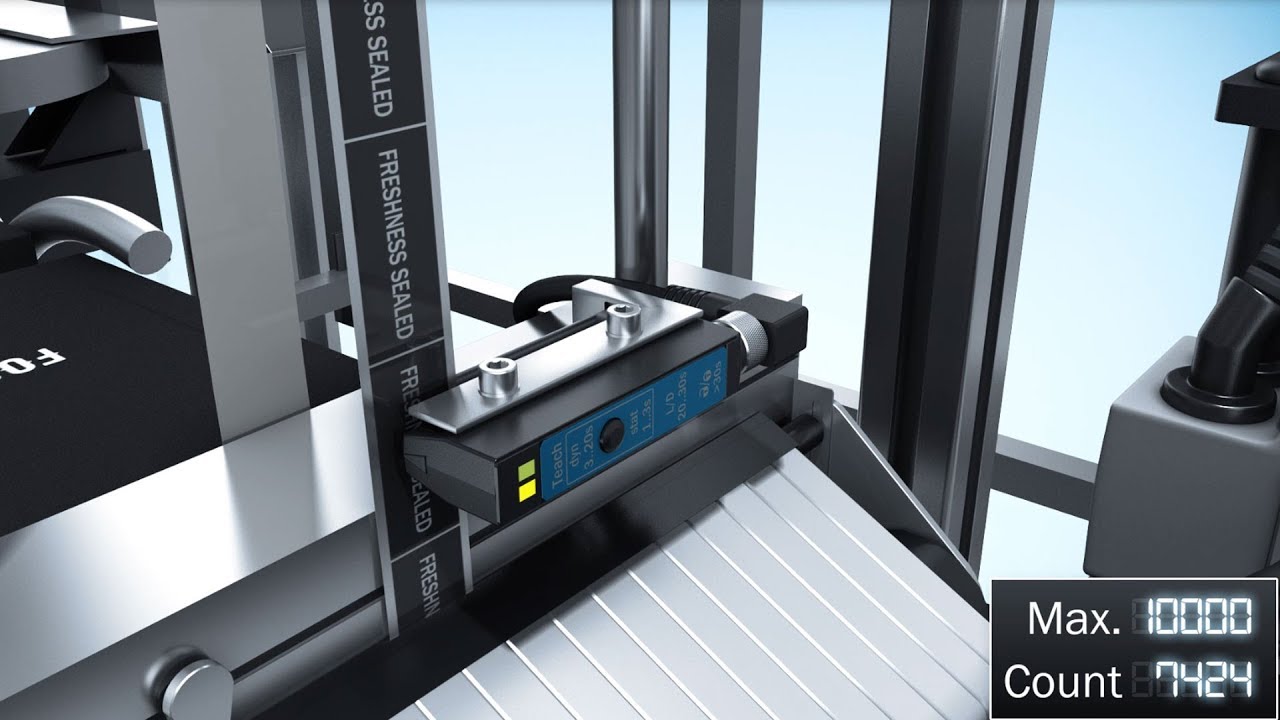
Fast data transmission and cost reduction thanks to data processing in the sensor
In these times of “big data”, it is important not to lose sight of the big picture. For that reason, Smart Tasks processes the diverse sensor signals for detection and measurement, linking them to signals from an external sensor if necessary. Only the process information that is actually necessary is generated – in line with the task configured in the system. This saves time when evaluating data in the controller, speeds up machine processes and eliminates the need for cost-intensive additional hardware.
