Sustainability, reliability and efficiency on or at the sea
Learn more
Home Industries Industries Outdoor automation Sensor solutions for ports, cranes and ships
SICK has extensive core competencies in safety and sensor solutions, the automation of processes and the use of AI and digital twins. In this way, SICK supports port operators, shipyards, shipping companies and design engineers in digitalization, the creation of data transparency and personal and collision protection.
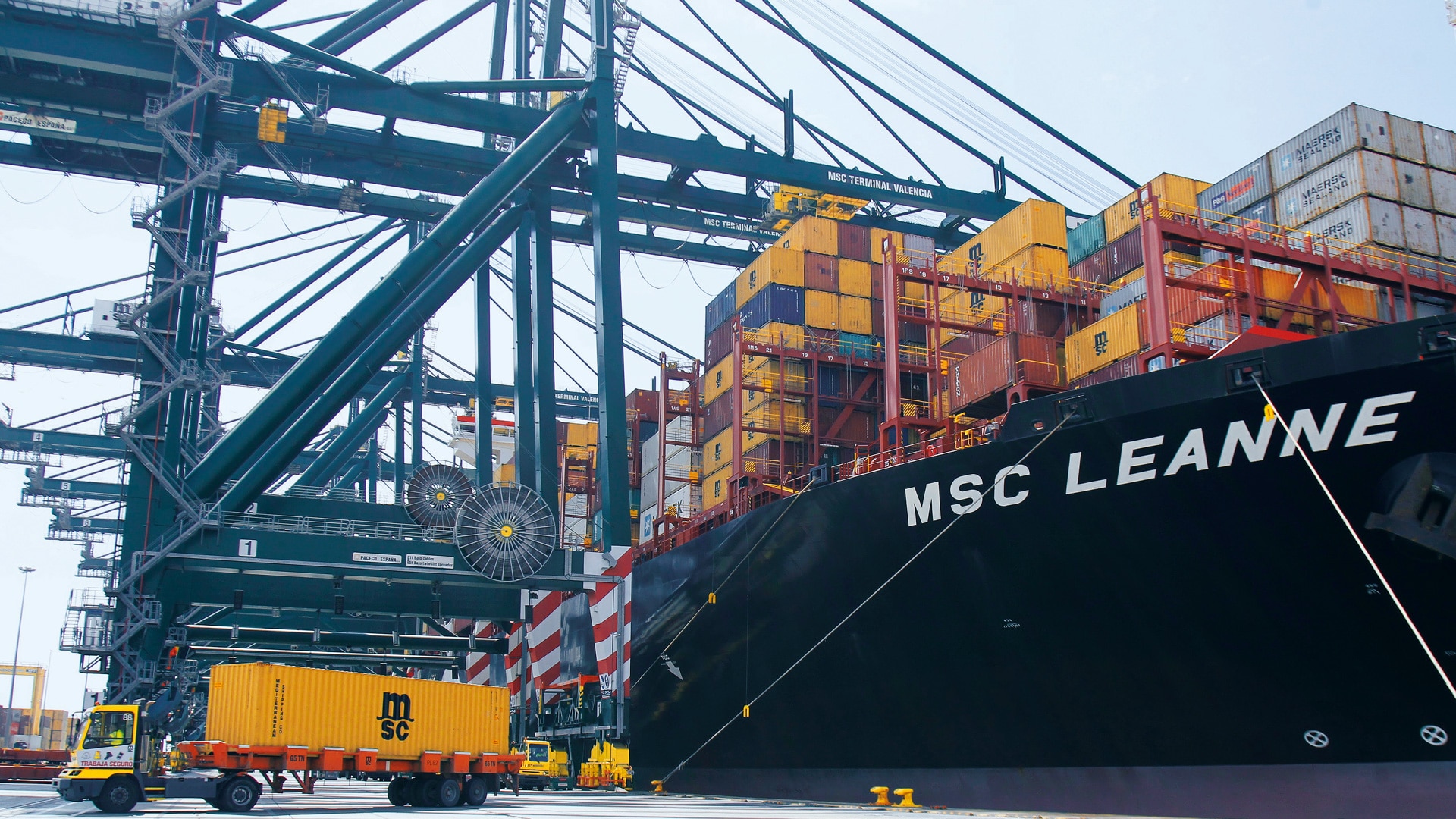
Since cranes are essential for moving medium and heavy loads in ports, terminals and other industrial environments, SICK offers precise and reliable solutions for collision avoidance between cranes, equipment, freight and people. At the same time, rugged, certified sensors increase the efficiency of positioning and automation – even under extreme ambient conditions. A global service network rounds off the portfolio.
We can solve your most challenging scenarios, even in demanding ambient conditions such as can be found at ports or on sea routes. As a result, we can offer you virtually limitless potential for increasing productivity.
Automation in the port means that handling, transport and security processes are digitally controlled and largely autonomous. Sensor solutions provide precise real-time data – for example on the position of cranes, vehicles and freight. They enable precise movements, prevent collisions and support efficient planning. This increases safety, transparency and the overall performance of port operations.
Laser and radar sensors, 3D LiDAR sensors and intelligent camera systems are primarily used for the collision protection of crane systems. They detect obstacles, precisely measure distances and monitor the movements of loads, vehicles and people. By combining these technologies, collisions can be reliably avoided and crane movements can be safeguarded in an automated manner. Up-to-date sensor data also flows into assistance systems that support positioning and increase safety.
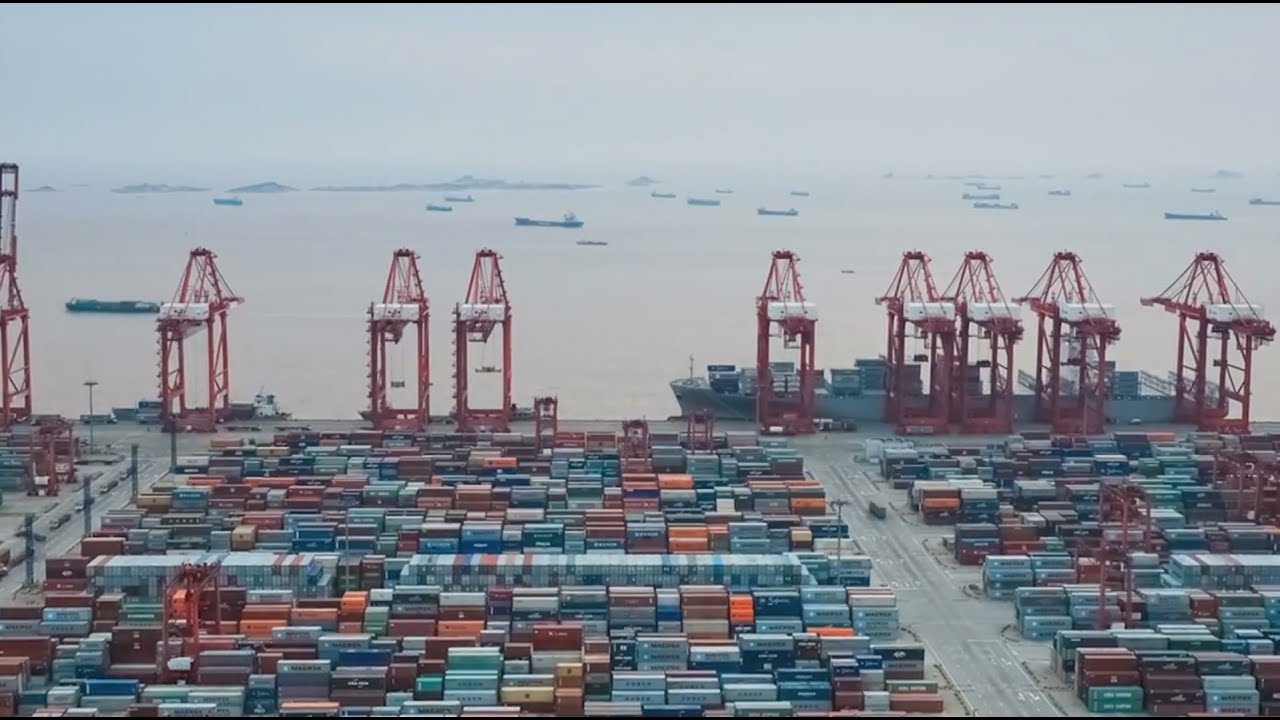
Automated crane systems, automated guided vehicles (AGVs) and intelligent stack management solutions are used for container handling in ports. Sensor solutions such as LiDAR, radar and camera systems as well as position sensors ensure precise navigation, safe crane movements and collision-free processes. They enable continuous monitoring of container positions and optimize the handling flow in real time. This increases efficiency, safety and transparency throughout terminal operations.
For outdoor use, LiDAR sensors must be resistant to rain, snow, dust and changing light conditions. Large scanning ranges, reliable detection even in poor visibility conditions and stable measurement quality despite vibrations are also important. Outdoor LiDAR sensors also require robust housings, high IP enclosure ratings and integrated heating or cleaning options. This enables them to deliver precise 3D data even under demanding ambient conditions.