Digitalization and sustainability in the basic materials industries
Learn more
Home Industries Industries Machines and materials Sensor solutions for basic materials processing
In the raw materials and steel industries, complex processes encounter harsh environmental conditions – precise and robust automation is crucial here. SICK supports you with proven and customized sensor solutions that secure hazardous areas, optimize material flows, ensure product quality, and reliably measure critical process variables. Digital services create additional data transparency. From raw material intake to delivery logistics, SICK provides you with comprehensive support and makes your production future-proof.
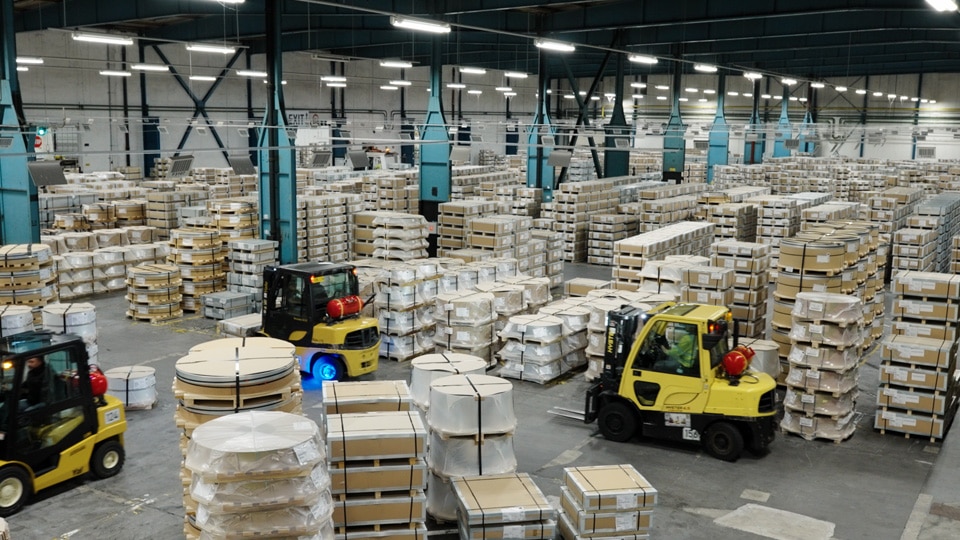
Material flow optimization refers to the systematic planning, analysis and improvement of the movement of materials, goods and information within a production or logistics process. The aim is to make these processes as efficient, cost-effective and reliable as possible.
This usually involves reducing bottlenecks, minimizing transport and handling, improving layout and processes and ensuring that the right materials are available in the right place at the right time.
Decarbonization measures aim to reduce or eliminate CO₂ emissions in production, logistics and energy use. The most important measures include renewable energies, greater energy efficiency, electrification, optimized resource flows and circular economy concepts such as recycling.
In the steel industry, an important step is the replacement of coal in blast furnaces with hydrogen-based direct reduction of iron (DRI).
Many material handling processes can be automated, including loading and unloading, sorting and forwarding, internal transport with AGVs or AMRs, automated storage and retrieval, palletizing and sensor-based quality control. Automation improves efficiency, reduces errors, increases safety and ensures smoother, more reliable material flows.