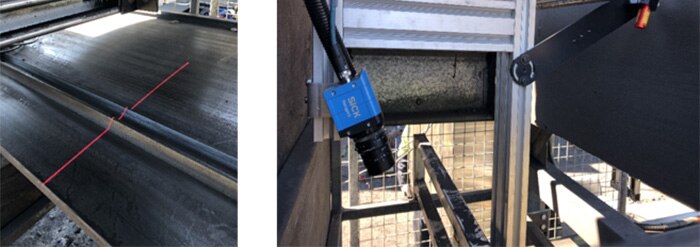
A large mine in Queensland, Australia had a problem: how to detect holes, rips and missing staples in conveyor belts that span kilometers over remote outback? A damaged or otherwise compromised belt can result in spillage, loss, downtime and massive cleanup. A ripped belt can cost upwards of Aus$100,000.
The solution was a 3D vision Ranger camera with SICK’s App Space to detect missing staples and prevent belt rips before they occurred. An inductive sensor detected the teeth of the splice while the Ranger then streamed the images to a remote server. The ability of the solution to function in real time - and at fast speeds - was key to winning this project. Due to the harsh elements in the Australian outback, a small enclosure was built to protect the camera and shield the class 3 lasers.
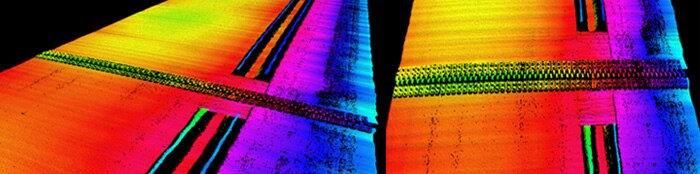
The day after the solution was installed, it detected a potential belt rip due to a missing splice tooth and slight tear at the same site. The return on investment was immediate. The mining firm is still delighted by the solution and the prevention it offers.