Insight at the end of the tunnel

2025. 10. 13

Multi-layer LiDAR technology enables reliable object detection in demanding conditions

In the harsh conditions of underground tunnels, avoiding collision is crucial. In such an environment, however, camera-based solutions come up against their limits. For this reason, METALLIANCE (CORAIL-TUNNELIER)  turned to 3D LiDAR technology from SICK to detect obstacles in their upcoming excavation project.

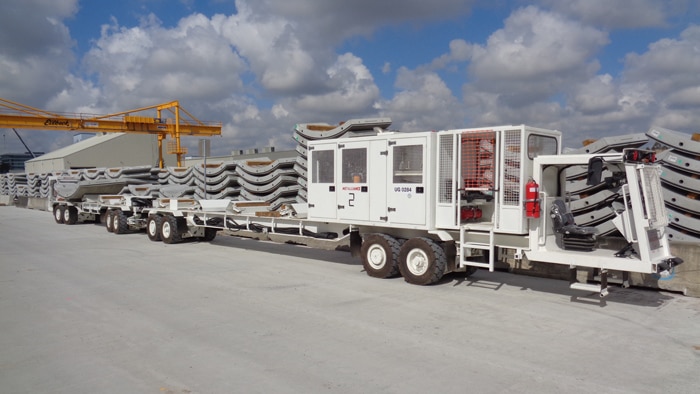
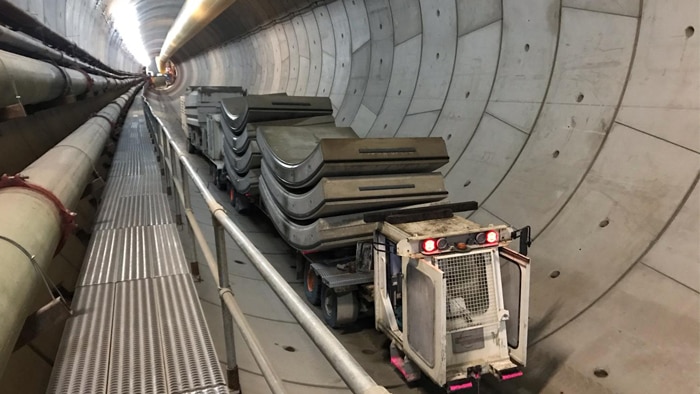
Vehicle transporting concrete segments through a tunnel with concrete lining.


Detecting obstacles in demanding conditions

When excavating tunnels, collision avoidance not only becomes increasingly important, but also increasingly difficult. The main challenge in such projects is implementing an obstacle detection system that complies with ATEX requirements (allowing work in an area with risk of explosion). This involves, among other things, utilizing an anti-collision system compatible with these requirements, or integrating such a system into a sealed and compliant box.

In the past, METALLIANCE, a company that designs, industrializes, manufactures and markets mobile machinery for underground work, had used camera-based anti-collision technology. Not only did using these systems in this environment bring certain constraints, but it also required the use of an air-cooling system. These challenges prompted the company to turn to SICK to provide multi-layer LiDAR technology for a recent project.

Large white trailer with machinery on an industrial site, with stacked concrete segments and a yellow crane in the background.


3D LiDAR sensor meets the challenge 

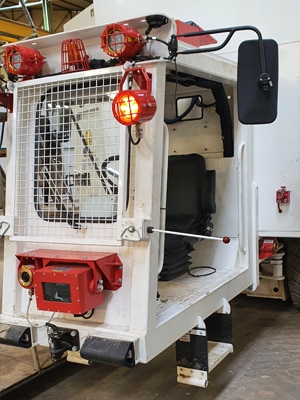
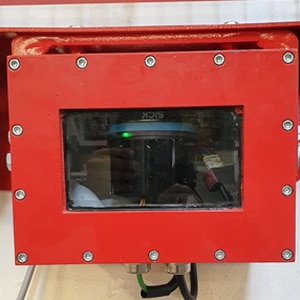
A cab from CORAIL-TUNNELIER equipped with a 3D LiDAR sensor

At the end of 2023, METALLIANCE agreed to support the excavation of four railway tunnel sites. The company had previously invented the Rubber-tired Train (TSP) for this purpose. The goal was to equip each of the two cabs of a TSP, known as a train on tires, with a new obstacle detection system. This would provide driving assistance to operators and guarantee the anti-collision function.

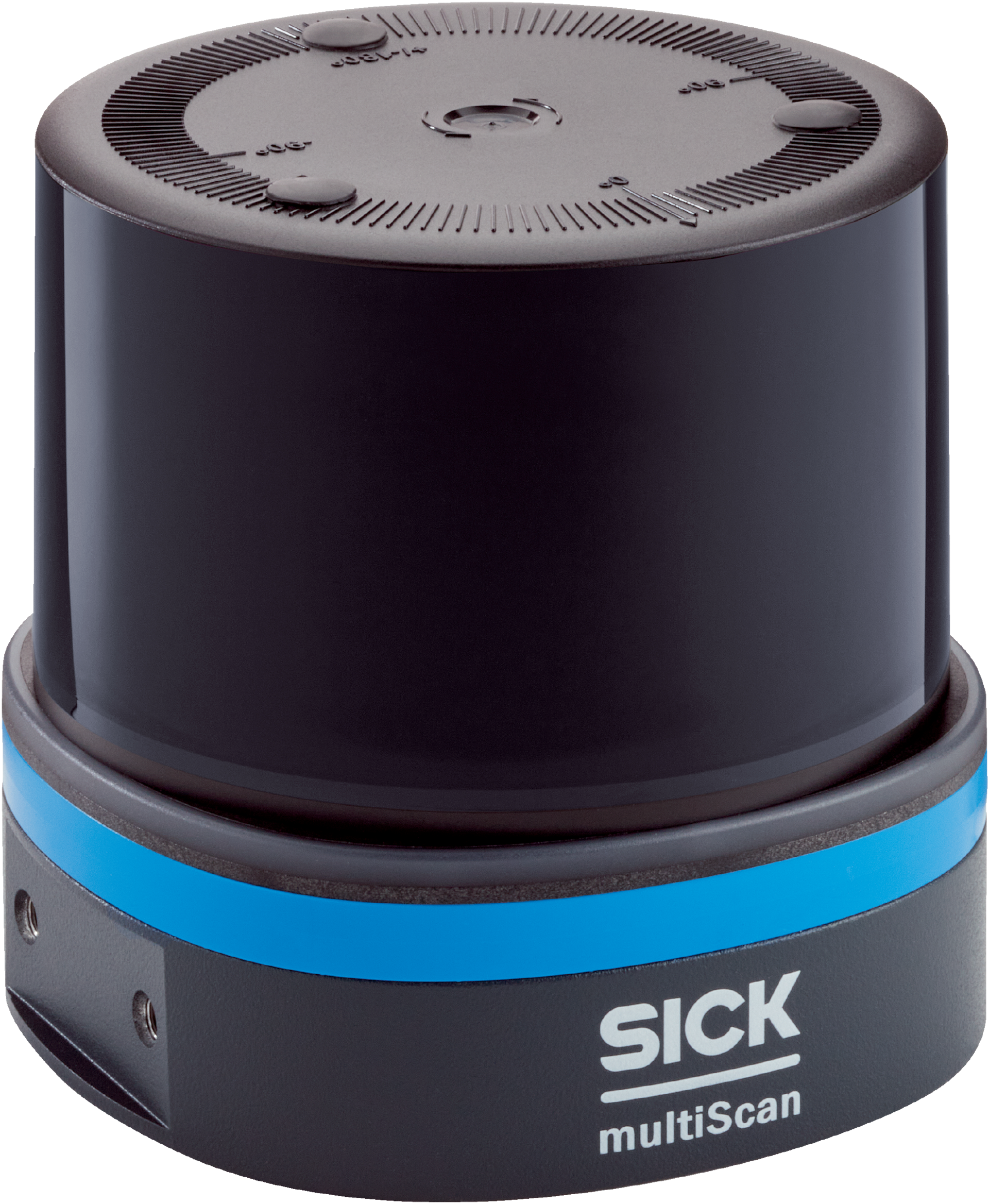
SICK recommended the use of the multiScan165, part of the multiScan100 product family. Not only does the sensor ensure a sufficient number of layers to guarantee obstacle detection, its characteristics make it particularly well suited to the application. Its small footprint facilitated its integration into a glass housing, while its shock resistance made it suitable in this harsh use environment. Plus, thanks to its low heat dissipation, it doesn’t require an additional cooling system. These benefits made the multiScan165 the clear choice for METALLIANCE and the company soon began to carry out initial tests of traversability and evaluations of signal stability.


High quality, competitive conditions

The multiScan100 product family’s multi-echo technology combined with the stability and quality of the measurement data allowed METALLIANCE to ensure reliable detection through the glass housing. The competitive package of the multiScan100 product family also opens up other deployment prospects for METALLIANCE in the future.
 

Assisting drivers in harsh conditions

LiDAR 센서
거친 주변 조건에서 감지 안정성이 높은 콤팩트한 3D-LiDAR 센서
multiScan100
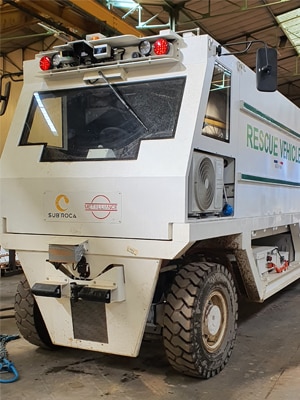
The driver's cab of a truck for a tunnel

As the driving environment in tunnels is very constrained, drivers have to pay particular attention to ensure that the large TSPs and their loads are properly handled. To assist with this, all TSPs are equipped with an anti-collision system. 

The TSPs’ sensors are optimized to the very harsh conditions of the environment in which they operate. For example, the sensors are able to handle interference from the parasitic reflections that can result from the surrounding metal of the tunnel structure. Meanwhile, contamination detection tells drivers whether the lenses need to be cleaned due to dirt, the humidity of the ground or potential splashes and dust resulting from the excavation work. 

The multiScan165 offers a greater working and analysis range than the current camera-based solution. This range makes it possible to better anticipate the analysis of obstacle detection and to allow the machines to move at greater speeds.


A solution from a close collaborator

The 3D LiDAR sensor multiScan100

Another factor behind choosing the multiScan165 was METALLIANCE’s strong relationship with SICK. The two companies had collaborated successfully in the past, with SICK providing several perception sensors (MRS1000 + LDR-MRS + RMS1000) as well as the associated sensor selection, support and service.


Deep tunnels, deeper customer relationship

In the future, METALLIANCE envisions the integration of multiScan165 as a standard on all Operator Assistance machines. That said, the ways it will be integrated will certainly vary greatly. In other applications, METALLIANCE will be able to take advantage of the total 360° aperture angle, and thus the additional features such as guidance assistance. According to the company’s ambitions and development prospects, the multiScan100 product family could be one of the first steps toward a fully autonomous driving system.


기타 기사

까다로운 작업 환경에서 이동식 장비의 충돌 위험을 줄이는 Visionary AI-Assist

더 알아보기

Read more
Robot colleagues now coming to construction

Read more

E-Guide Mobile Machines
전자 가이드: 이동식 작업 기계 자동화의 트렌드

e-가이드 다운 받기

Virtual Tool Mobile Machines
가상 툴: 모바일 오토메이션을 위한 센서 솔루션

인터랙티브 툴 다운받기