Immer strengere Gesetze und Vorschriften für die Emissionsüberwachung stellen Reedereien vor große Herausforderungen. Hier helfen digitale Lösungen – wie MARpems von SICK: Das System liefert selbst dann valide Emissionsdaten, wenn Messsysteme ausfallen. Die SICK Maritime Suite, die digitale Lösung für die maritime Industrie, hat einen weiteren intelligenten Baustein bekommen: MARpems, kurz für „Maritime Predictive Emission Monitoring System“, garantiert die Verfügbarkeit der Emissionswerte auf dem Schiff – und das sogar, wenn die Messwerte der kontinuierlichen Emissionsmessung ausfallen.
Digitaler Zwilling mit an Bord: Vorrausschauende Emissionsüberwachung auf Schiffen
08.04.2024
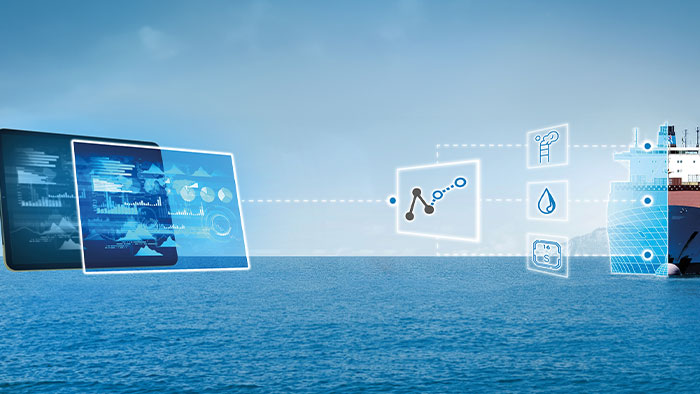
Dahinter steckt ein Algorithmus, der bei einem Ausfall bestimmter Messparameter aus den verbleibenden Werten die Abgaswerte berechnet, um eine lückenlose Compliance für Schiffsbetreiber zu gewährleisten. „MARpems geht aus einer Start-up-Initiative von SICK hervor“, erklärt Fabienne Jäckle, Produkt Manager Cleaner Industries. „Nachdem es eine solche Lösung bereits für Applikationen an Land gab, haben wir einen attraktiven Business Case in der maritimen Industrie erkannt und hierfür ein erstes Produkt entwickelt.“
Schnell lagen Ergebnisse vor, und schon in dieser relativ frühen Phase der Produktentwicklung holte SICK die Klassifizierungsgesellschaft DNV in das Boot, um sicherzugehen, dass die Lösung auch offiziell anerkannt wird. Ein kluger Schachzug: Das hinter MARpems liegende Datenmodell wurde durch den DNV-Service in Høvik bewertet und eine Leistungserklärung, ein sogenanntes „Statement of Product Capability“, für MARpems ausgestellt.Der DNV Maritime in Hamburg hat die Funktion von MARpems für Scrubber- Applikationen technisch bewertet und die technische Anwendbarkeit gegenüber dem deutschen Flaggenstaat ausgesprochen.
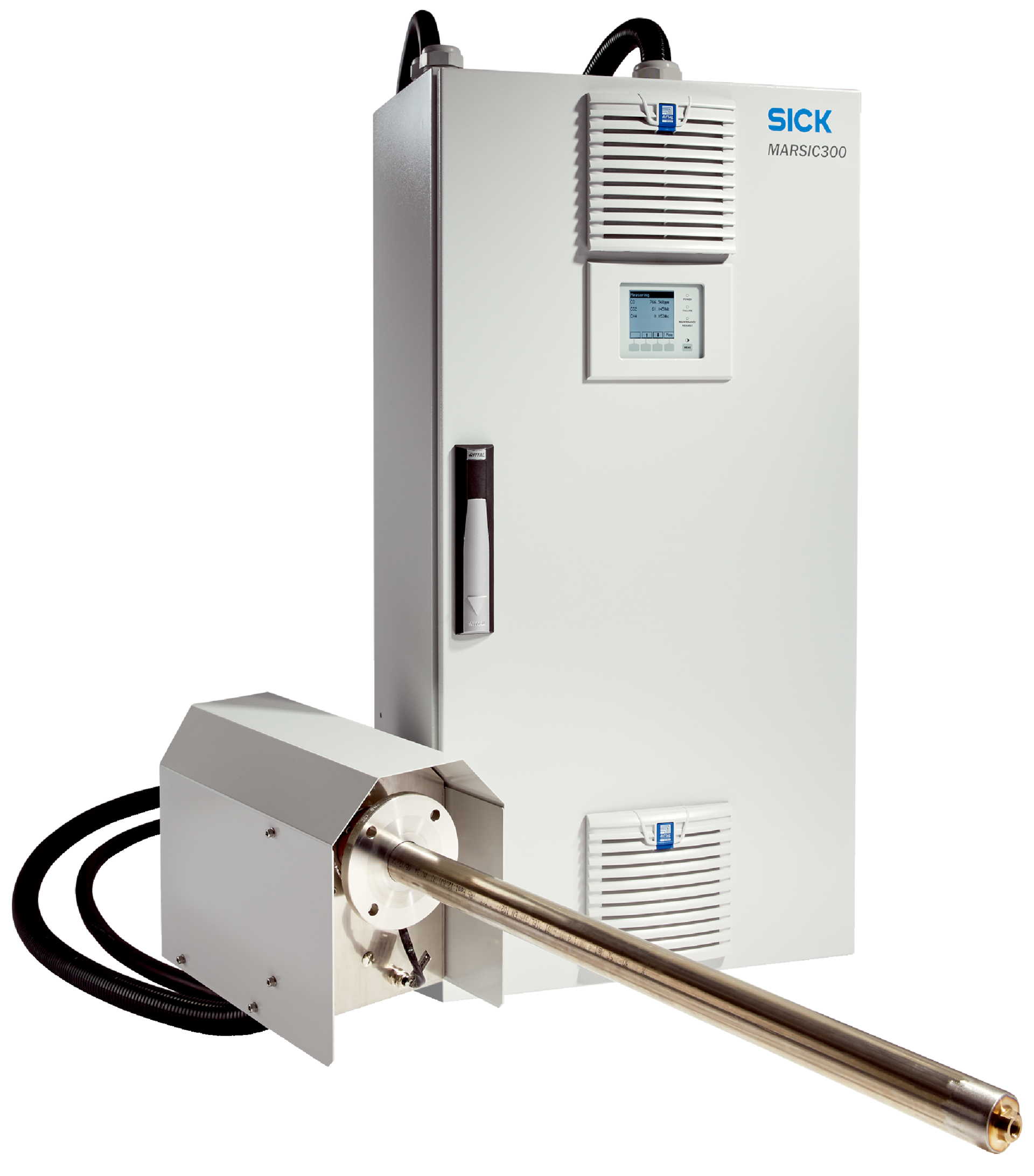
Gasanalysatoren
Insight Tools
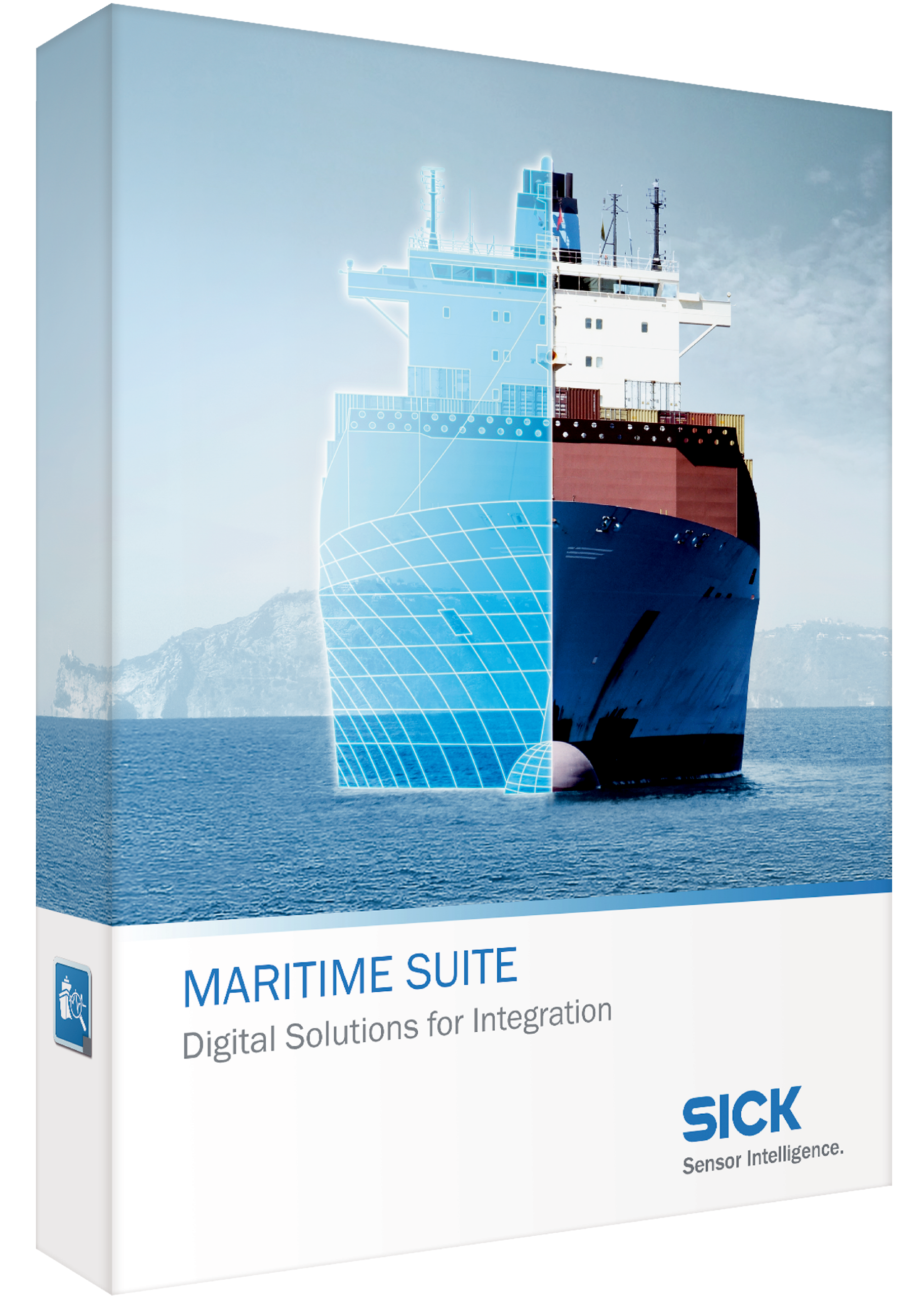
Die digitale Lösung für die maritime Industrie
SICK Maritime Suite
Emissionswerte kontinuierlich überwachen
Im Sommer des Jahres 2023 erlebte MARpems dann seine Premiere: In Long Beach in den USA wurde die Lösung erstmals auf einem Containerschiff der Reederei CPO eingebaut. Schon seit 2020 kooperiert die CPO-Containerschiffreederei mit SICK bei der Entwicklung von digitalen Lösungen für die maritime Industrie. Seit der Installation verfügt CPO nun über die gesamte SICK Maritime Suite mit ihren verschiedenen Funktionen und erhält so zum Beispiel einen ganzheitlichen Blick über die Emissionen, die Performance der Abgasreinigungsanlage, den Zustand des Emissionsmessgeräts usw.
Im Detail funktioniert der neue digitale Service MARpems folgendermaßen: Schiffe, die mit Schweröl fahren, haben Abgasreinigungsanlagen an Bord, sogenannte Scrubber, die die Schwefelemissionen reduzieren. Die Effizienz der Scrubber wird durch Continuous Emission Monitoring Systems (CEMS) – wie MARSIC-Analysatoren von SICK – überwacht, indem diese das Verhältnis von Schwefeldioxid und Kohlenstoffdioxid im Abgas nach der Reinigung messen. Diese Emissionswerte müssen von den Schiffsbetreibern dauerhaft überwacht, gespeichert und bei Bedarf an Behörden gemeldet werden. Fällt ein CEMS aus, fehlen bestimmte Abgaswerte und der Schiffsbetreiber kann nicht mehr nachweisen, dass sein Schiff die Grenzwerte einhält. Im Normalfall ist eine Reparatur des ausgefallenen Sensors nur durch geschultes Fachpersonal möglich. Hierdurch drohen dem Schiffsbetreiber unvorhersehbare Risiken wie zusätzlicher manueller Aufwand, höhere Kosten durch hochwertigeren Treibstoff bis hin zu Sanktionen wegen der Nichteinhaltung von Grenzwerten.
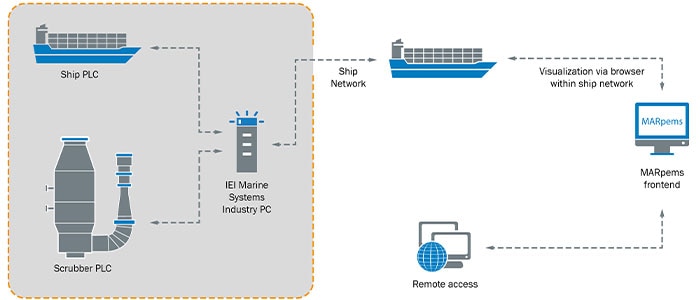
Digitaler Zwilling an Bord
Einen Ausweg bietet an dieser Stelle MARpems: „Es handelt sich dabei um den digitalen Zwilling eines CEMS“, sagt Fabienne Jäckle. „Gibt es eine Fehlfunktion oder einen Ausfall bei einem CEMS, so springt die Software ein: Machine-Learning-Modelle berechnen aus den vorhandenen Betriebsdaten des Schiffs und Scrubbers die aktuellen Emissionswerte. Damit gewährleistet MARpems eine vorübergehende Emissionskonformität und damit die Erfüllung der IMO-Auflagen.“ Diese Machine-Learning-Modelle sind für jedes Schiff gleich, trainiert werden sie jedoch individuell für das jeweilige Schiff mit den anlagenspezifischen Daten aus mehreren zurückliegenden Monaten.
Zulassung durch Flaggenstaaten
Neben der Gewährleistung der Compliance bei gleichzeitiger Reduktion des Aufwands im Falle eines Ausfalls hat MARpems noch einen weiteren positiven Effekt: Die Lösung erhöht die Transparenz über den Zustand der Emissionsmessgeräte und der Scrubber-Funktion, wodurch kurzfristige Serviceeinsätze vermieden und besser geplant werden können. So erhöht das System also die Prozesssicherheit und reduziert Serviceeinsätze auf das notwendige Minimum. Alles in allem steigert MARpems die betriebliche Effizienz und die Wettbewerbsfähigkeit. Inzwischen ist MARpems von der deutschen, der maltesischen und der liberianischen Flagge anerkannt. Flaggenstaaten legen die Regeln über die Aufsicht in technischen und administrativen Angelegenheiten an Bord der Schiffe fest, die unter seiner Flagge fahren. Weitere Zulassungen durch Flaggenstaaten sollen in Kürze folgen: „Wir sind bereits mit den Schifffahrtsorganisationen weiterer Länder im Gespräch“, sagt Fabienne Jäckle. „So treiben wir die Akzeptanz unserer Lösung schrittweise aktiv voran.“
Weitere Beiträge

Dekarbonisierung: Gasanalyse und Durchflussmessung für Transfer- und Prozessanwendungen

Dekarbonisierung in der Seeschifffahrt und im Luftverkehr

Reduzierung von Treibhausgasen in der Abfallwirtschaft

Condition Monitoring macht Gaasperdammertunnel in Amsterdam fit für Industrie 4.0